info-medicalcare@jcmedtj.com

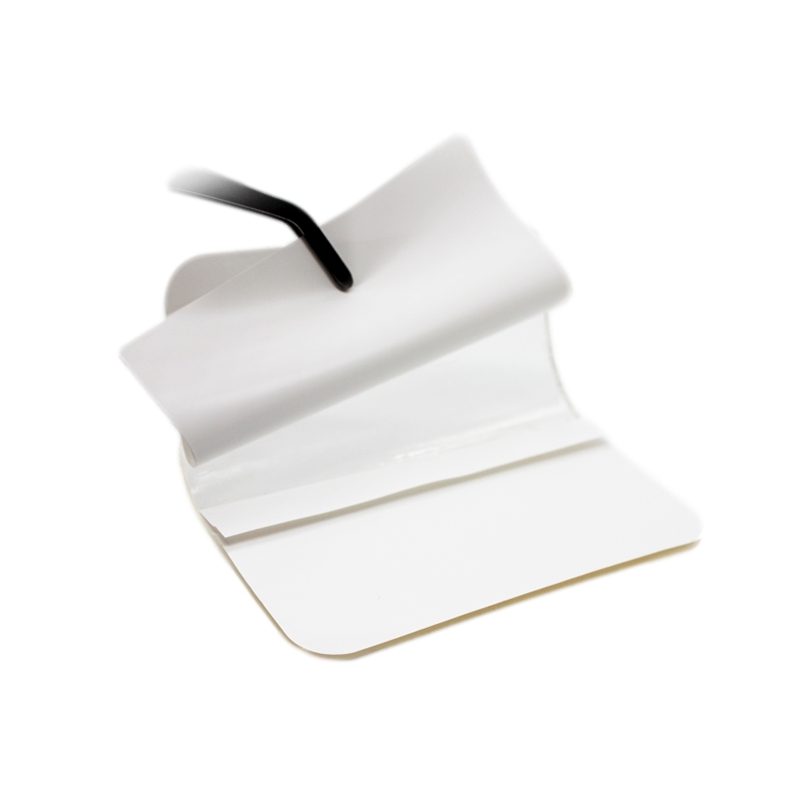
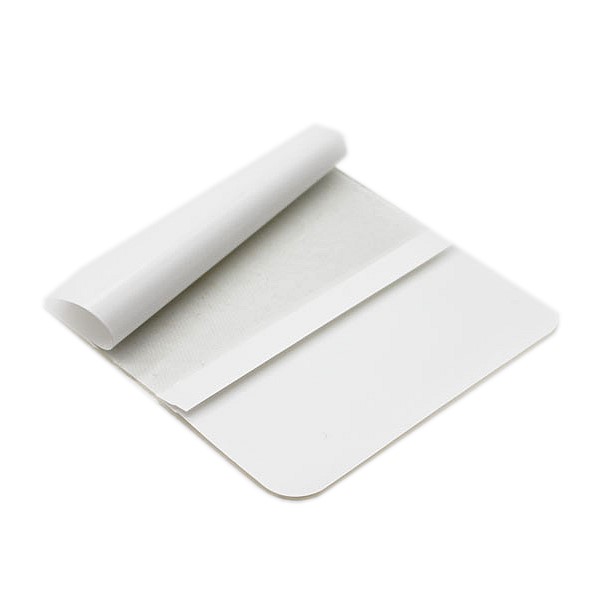
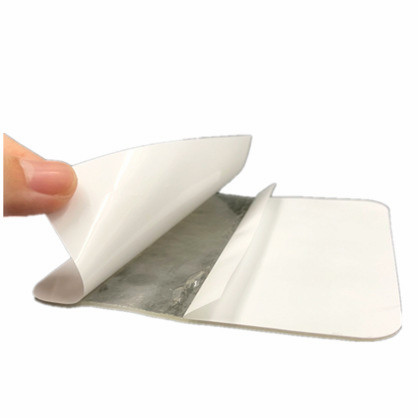
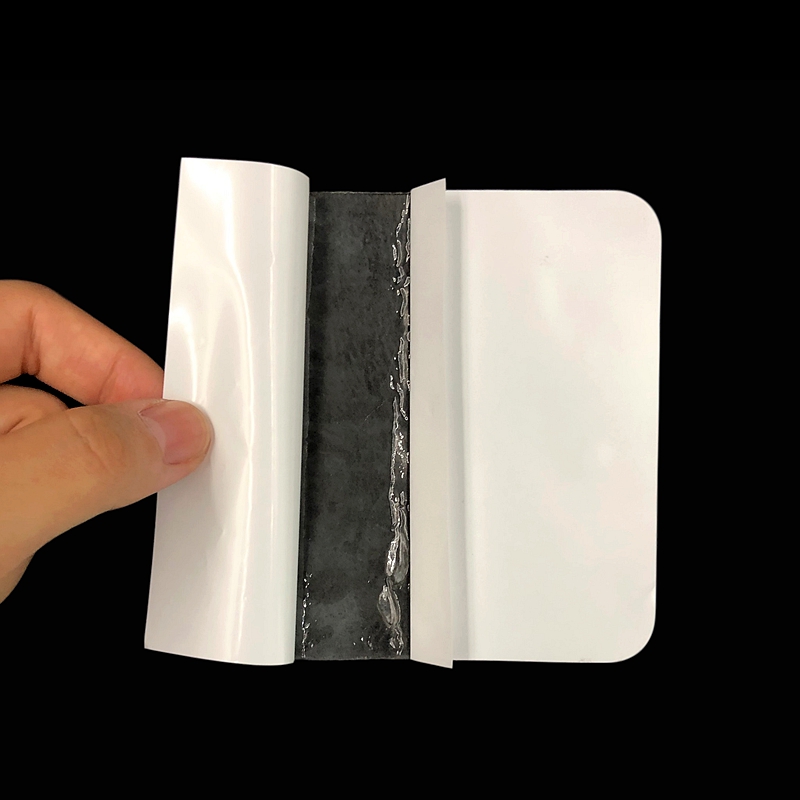
Hydrogels are generally used to donate liquid to dry sloughy wounds and facilitate autolytic debridement of necrotic tissue; some also have the ability to absorb very small amounts of exudate.
Hydrogel dressing
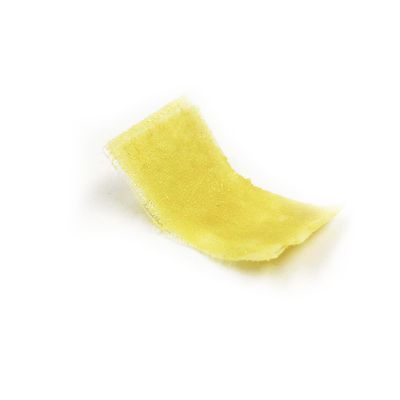
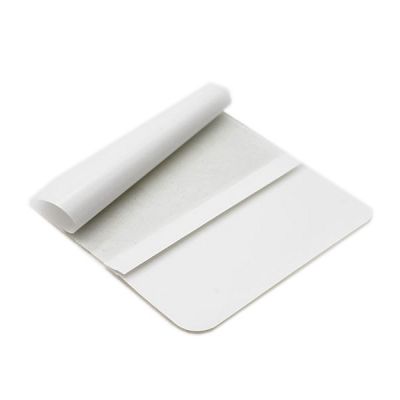
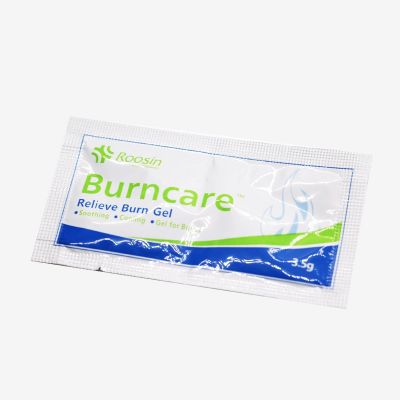
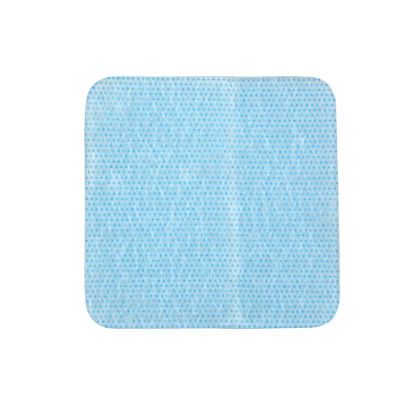
Formulations may vary, but hydrogels are often either glycerin based or contain 90% water in a gel base. They are available in sheets, gel, sprays, impregnated gauze, or packing strips.
Hydrogels can be used on partial and full thickness wounds that are dry or moist, on granulating wounds, abrasions, partial thickness burns, skin reactions to radiation, necrotic wounds and wounds covered with eschar.
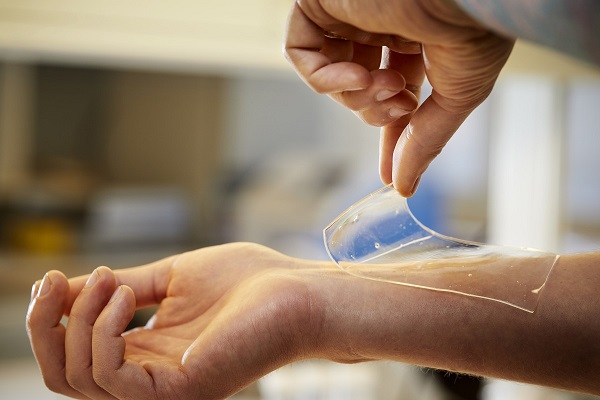
When to use:
The following types of wounds are the most suited for being treated with hydrogel dressings:
It is important to remember to avoid hydrogel dressing use when a wound is extremely moist or displaying heavy exudate. In most cases, hydrogel dressings will need a cover dressing because they are often difficult to secure and can dehydrate easily if not covered effectively.
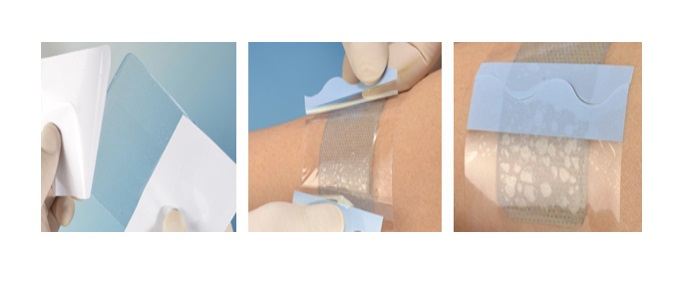
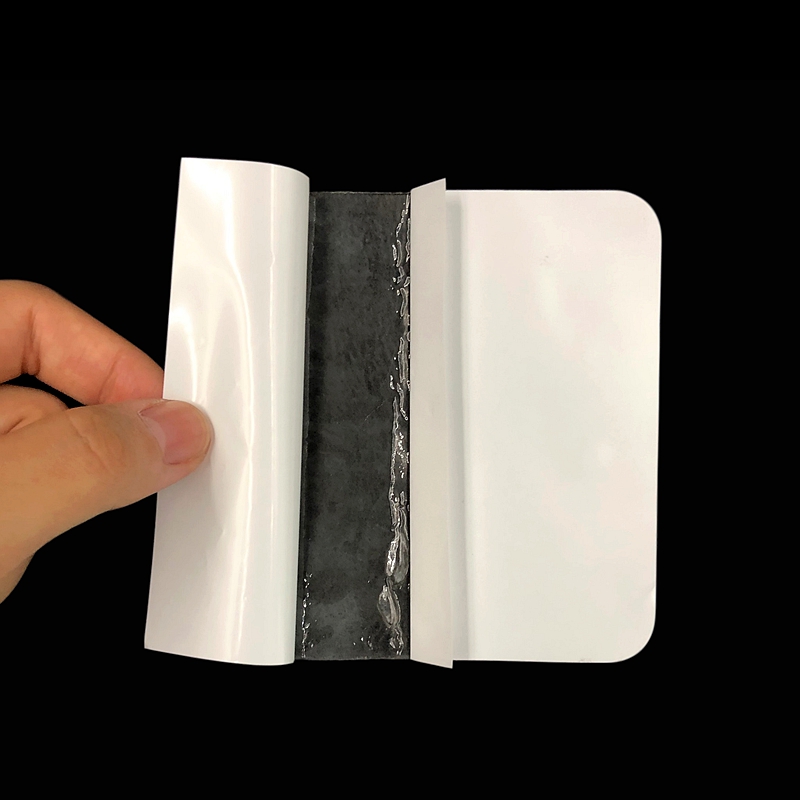
Hydrogel dressing performance:
Because of the moisture provided to the wound from the hydrogel dressing, common healing phases such as granulation, epidermis repair and the removal of excess dead tissue become simplified. In addition to aiding the wound treatment stages, the cool sensation provided by the hydrogel to the wound offers relief from pain for at least six hours. When hydration is provided for the wound bed, discomfort experienced from changing the dressing becomes reduced, and the risk of infection also becomes decreased.
Dressing Changes:
It is advised to change your hydrogel dressing no less often than every four days to stop the covering from becoming too close or attached to the injury site. You can essentially tell if it is time for a dressing change due to an abundance of fluid that indicates that the wound could be receiving too much hydration.
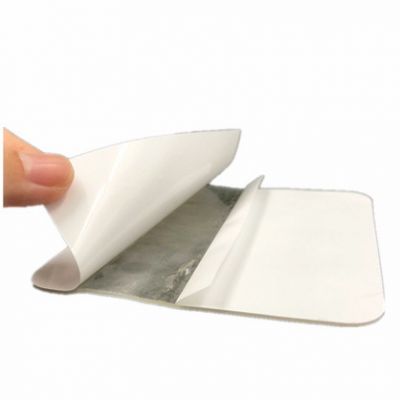
If you are using an amorphous type hydrogel dressing, remember to rinse off any leftover gel with a wound cleanser or normal saline solution if necessary. As for removing the impregnated gauze or sheet hydrogel, gently lift an edge up and peel back slowly after soaking the covering in saline solution to help soften the bandage. Always remember to use general safety precautions when removing the dressing, such as washing your hands, wearing gloves and disposing of the bandage immediately after taking it off.
WhatsApp: