info-medicalcare@jcmedtj.com
JNCMED Wound dressing fabrics are temporary medical materials that cover the surface of wounds and wounds. Its main function is to avoid infection during wound recovery, provide a favorable repair environment and promote wound healing.
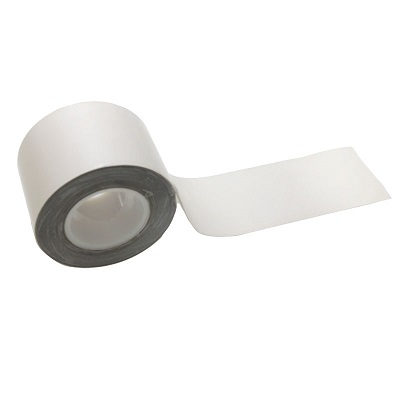
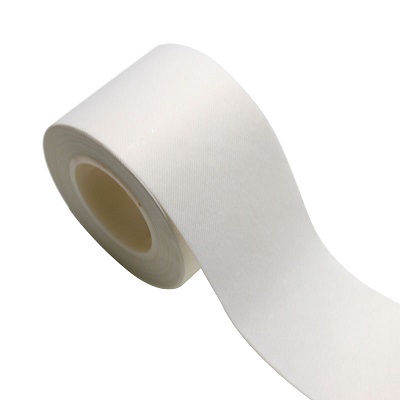
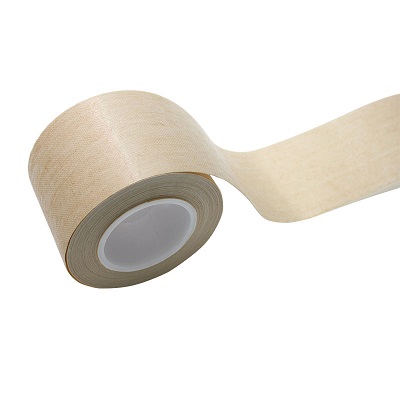
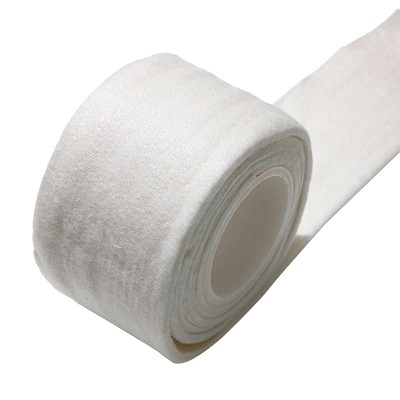
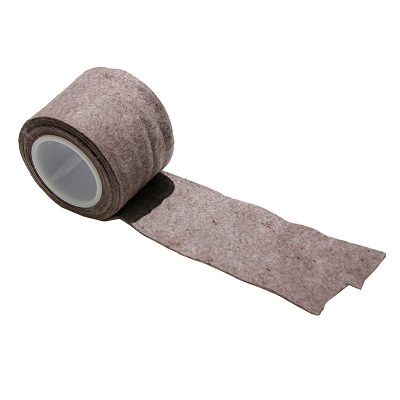
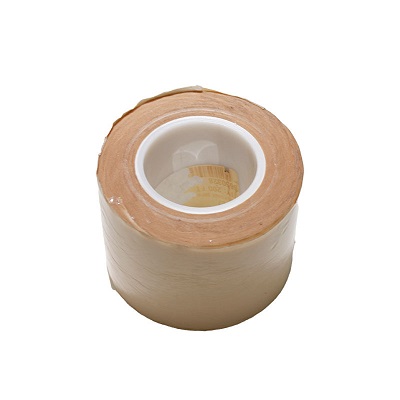
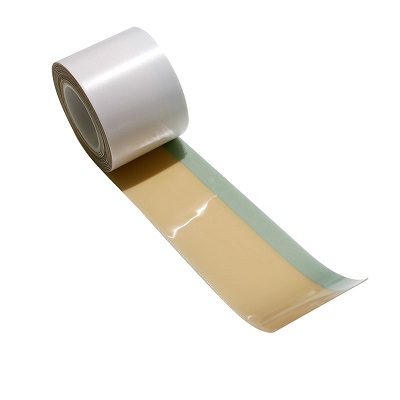
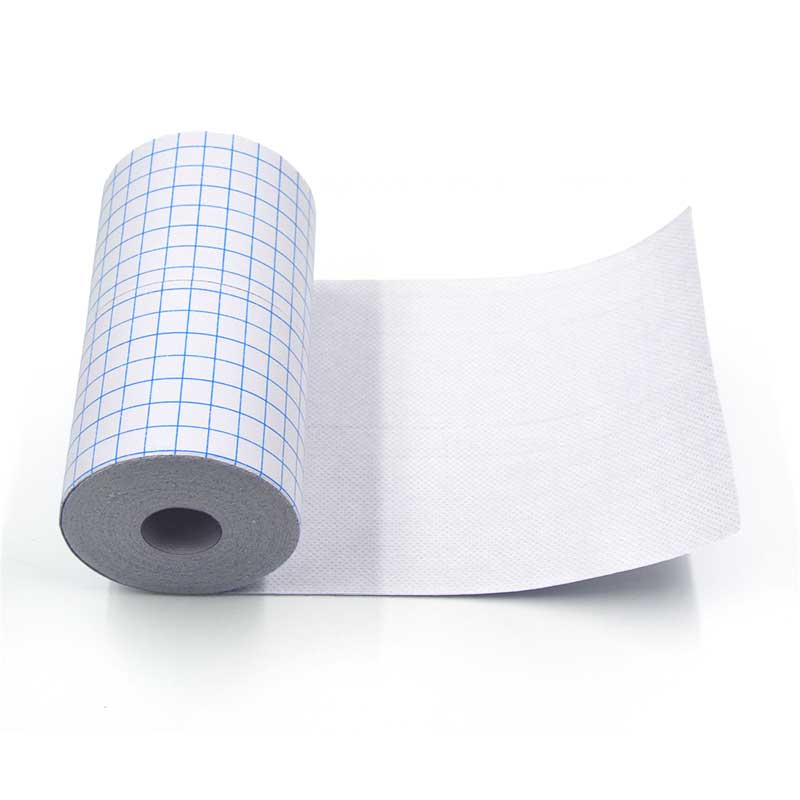
Common dressing raw materials include non-woven fabrics, hydrocolloids material, alginates material, foam roll, transparent dressing roll, etc. They can be developed for safe direct contact with the skin, and also strong enough to wrap and secure the wound dressing.
Let me show you our Wound Dressing Raw Material:
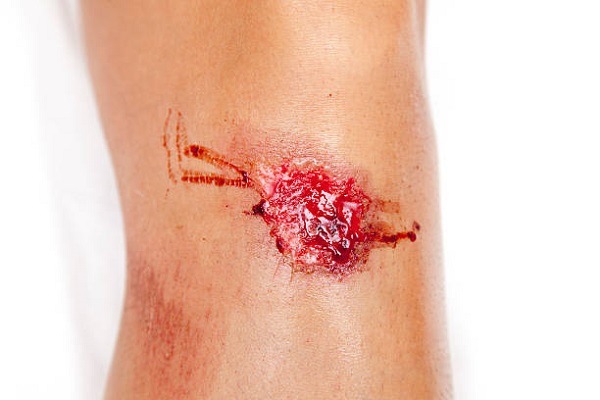 |
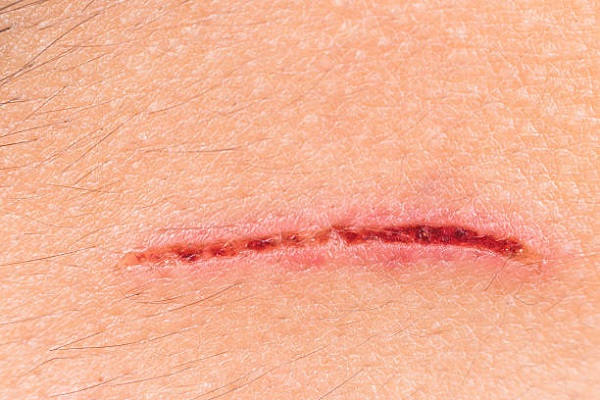 |
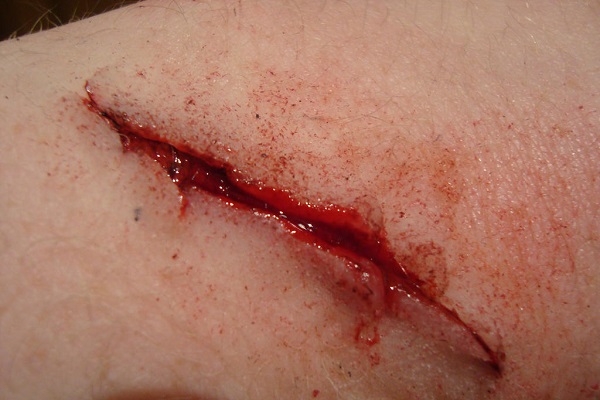 |
Bleeding Wound |
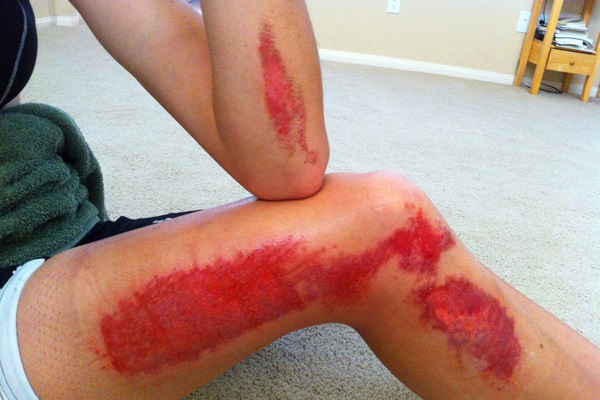
Scratch |
Knife Wound |
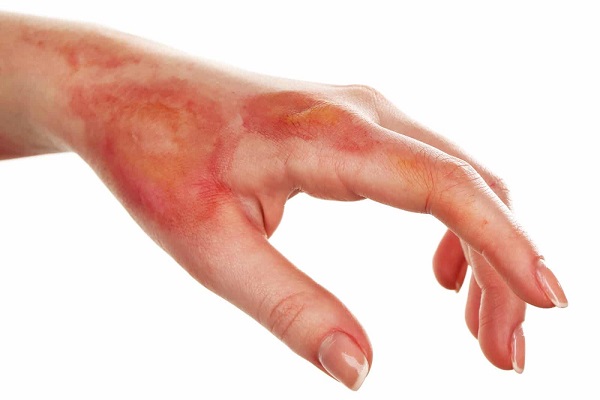 |
 |
 |
Scalds |
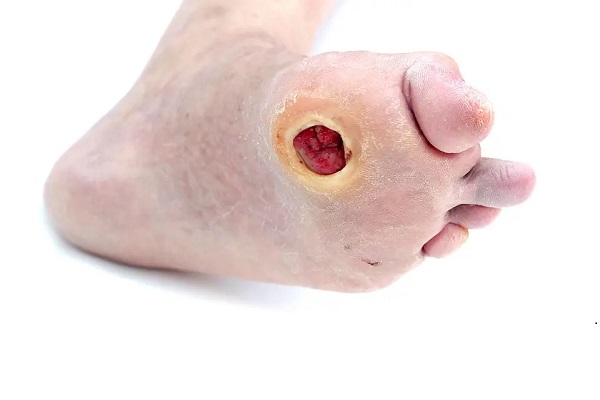
Diabetic Foot |
Fall Damage |
The thickness of the adhesive layer of hydrocolloid dressings determines its absorption capacity. Hydrocolloid dressings can absorb a small to medium amount of exudate, and are not suitable for wounds with a lot of exudate. We can customize different thicknesses for you according to your needs!
Alginate dressings are relatively soft, easy to fold, and easy to apply. They form a soft gel-like semi-solid substance on the wound surface, provide a moist environment for the wound surface, improve the regeneration ability of epidermal cells, and accelerate the movement of epidermal cells.
Silver ion alginate dressings add sterilizing silver ions to the alginate dressings to avoid the breeding of bacteria in the wound, accelerate wound healing, and provide an ideal healing environment for the wound.
Foam dressings are porous, have low surface tension, are elastic, have strong plasticity, are lightweight, have strong absorption of exudates, are almost completely permeable to oxygen and carbon dioxide, and can be used as drug carriers.
Film dressings are transparent, easy to observe the wound, can closely adhere to the wound surface, effectively retain wound exudate, provide a moist environment conducive to wound healing, promote the detachment of necrotic tissue, and reduce wound pain. The disadvantage is poor water absorption.
Hydrogel dressings can closely adhere to uneven wound surfaces, reduce the growth of bacteria, accelerate the formation of new blood vessels, and promote the growth of epithelial cells.
Contact us today to discuss how we can meet your wound dressing manufacturing needs with affordable, high quality materials.
WhatsApp: