
info-medicalcare@jcmedtj.com
The wound healing process is a finely tuned sequential event that involves the interaction of various cytokines and stimulators that are produced by the body. The presence of necrotic or debris in the wound bed is an impediment to wound healing as it affects the migration and multiplication of cells. It also prolongs inflammation by excessive production of proinflammatory cytokines which further delays wound healing. In addition, necrotic tissue is susceptible to bacterial contamination and infection which can further spread to deeper tissues leading to cellulitis, osteomyelitis, sepsis, amputation, and even death. Necrotic tissue has a poor blood supply which further contributes to wound chronicity.
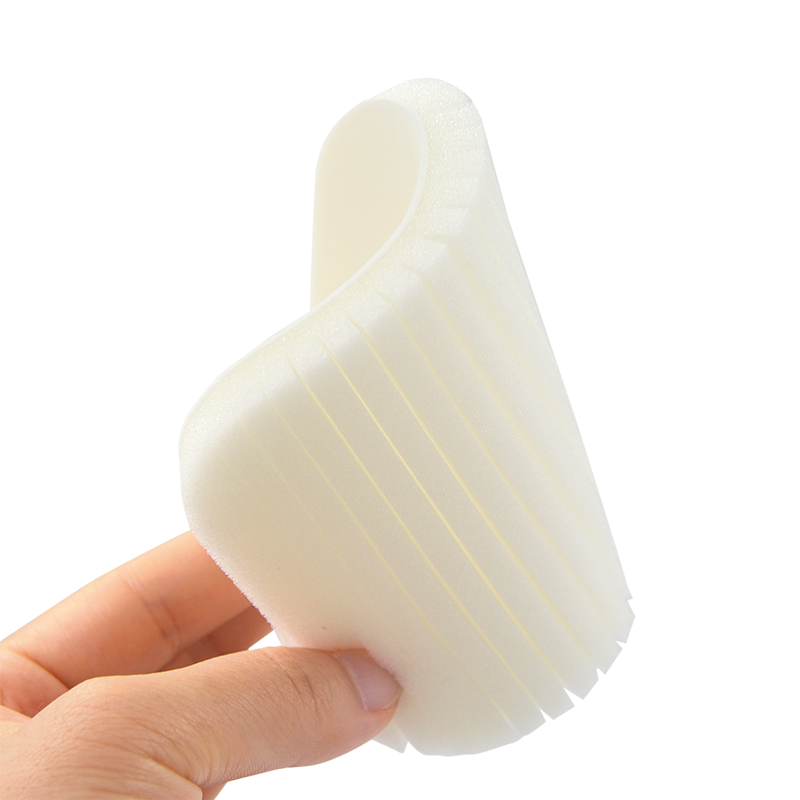
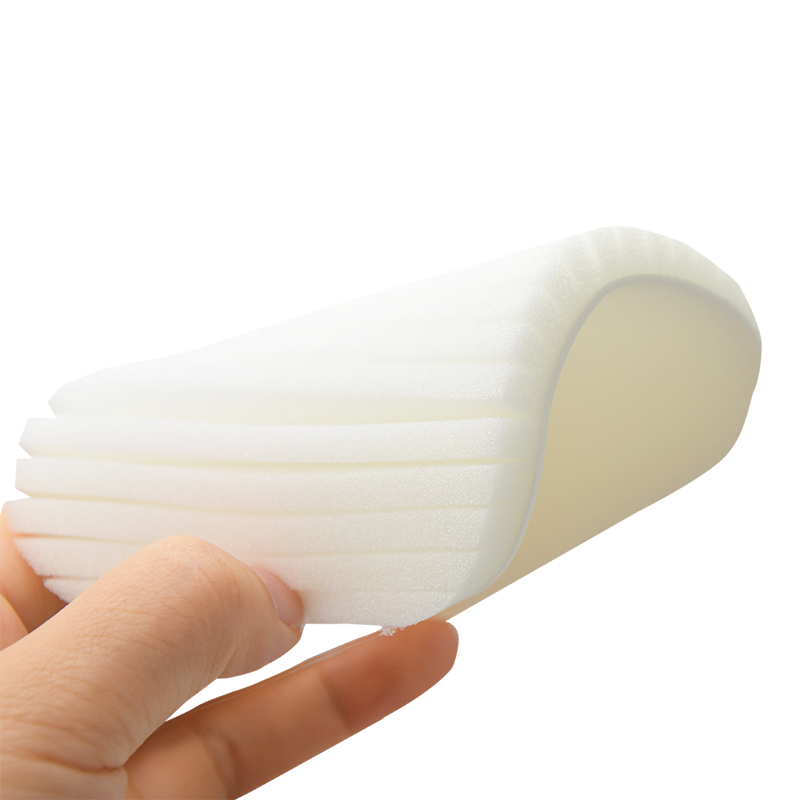
Reduced Bacterial Burden: Necrotic tissue is a nidus for bacterial contamination. Through the removal of devitalized tissue, debridement helps to reduce bacterial load in the wound bed which helps to accelerate the wound healing process.
Improved Tissue Perfusion: Removal of necrotic, dead tissue helps to restore perfusion to the wound site which improves oxygen delivery to the wound bed. An adequate supply of oxygen is vital for the healing process, and therefore, debridement helps to improve healing through restoration of local blood supply.
Migration of Fibroblasts: Bacteria compete with normal tissue for the supply of nutrients and energy. This in turn compromises the migration of fibroblasts into the extracellular matrix which is essential for wound healing to occur. A clean, debrided wound can recruit fibroblasts to the wound site which lays down collagen fibrils. This helps to fill up the epithelial defect caused by the wound.
Better Visualisation of Wound Bed: Debridement allows wound care specialists and podiatrists better visualization of the viable tissue in wound bed which can help them plan appropriate wound care accordingly.
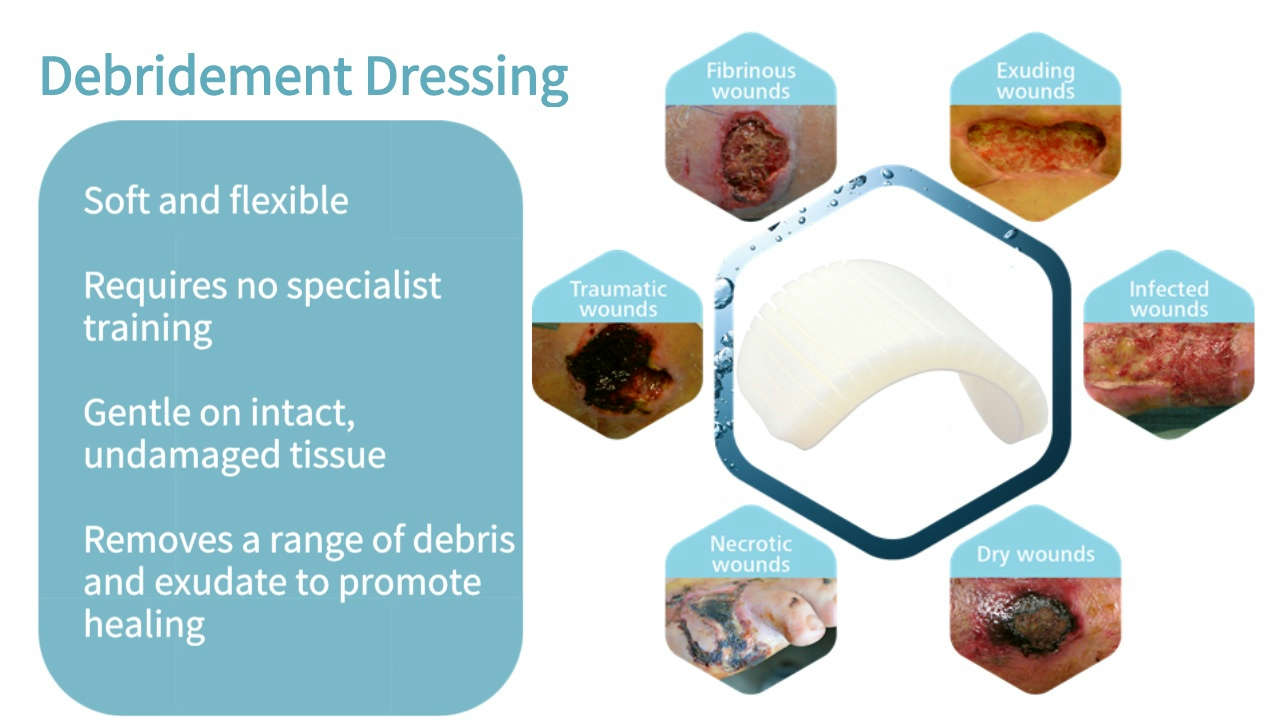
DEBRIDEMENT INDICATIONS:
l Presence of Devitalized Tissue.
l Slough or Necrosis
l Unhealthy Granulation tissue.
l Presence of Bioburden, which is defined as the build up of a bacterial film layer on the surface of the wound.
l Pressure Ulcers/Injuries with devitalized tissue.
l Diabetic Ulcers with devitalized tissue or infection.
l Venous Ulcers with devitalized tissue.
l Arterial Ulcers with devitalized tissue that is broken down.
l Burn wounds.
l Infected traumatic wounds.
l Non-healing wounds.
WhatsApp:


